
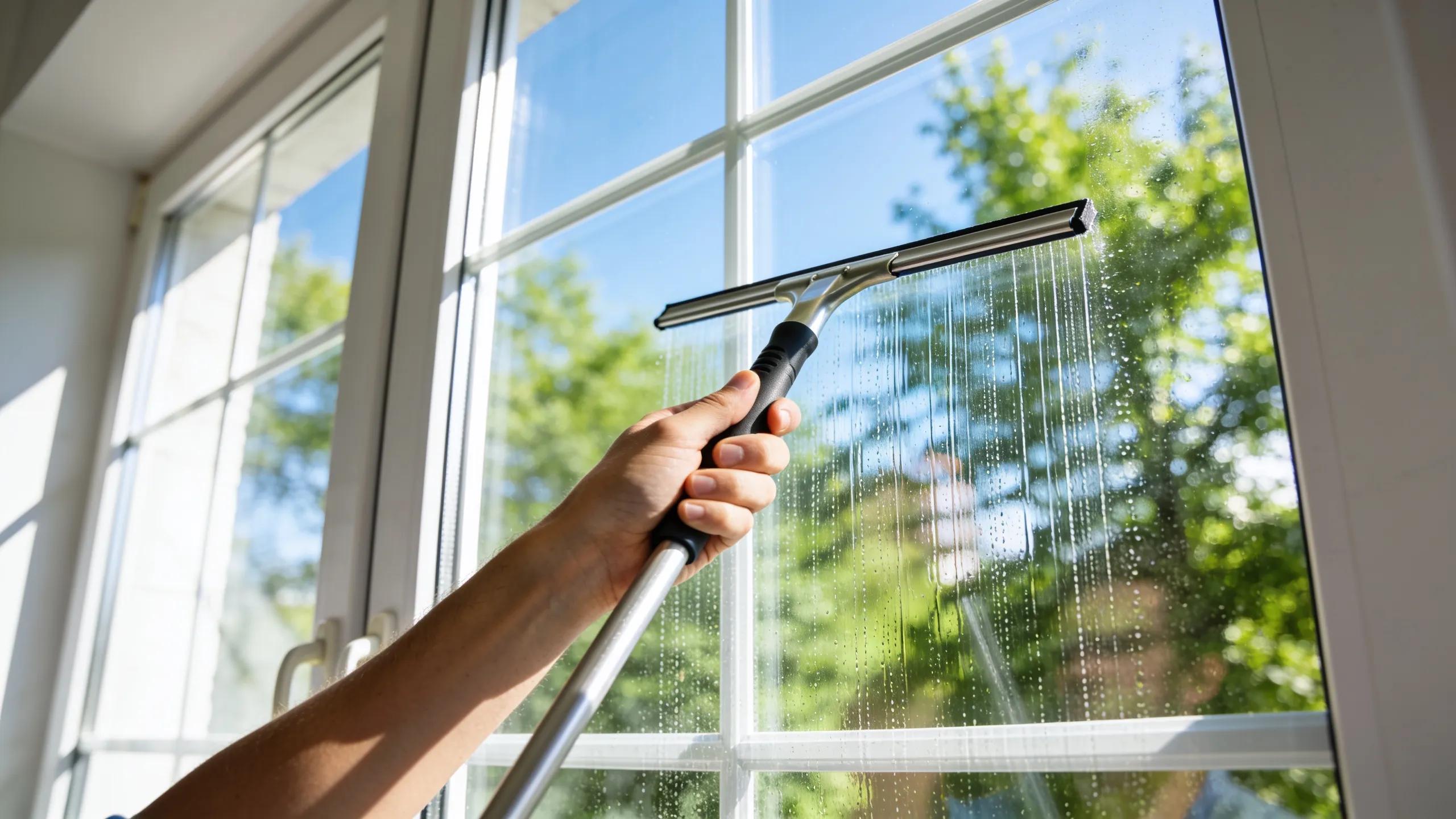
Streaks and residue can remain after professional window cleaning, reducing clarity and appearance. Identifying causes is essential to achieve a streak-free finish. This article offers practical, expert guidance on removing streaks and residue and the right tools and techniques. Whether for homes or businesses, proven methods and post-cleaning care help prevent and remove blemishes. The sections below cover common causes, removal methods, essential tools, and maintenance.
What Causes Streaks and Residue on Professionally Cleaned Windows?
Common causes include improper techniques, environmental conditions, and window materials. Unsuitable cleaning materials—such as paper towels or worn rags—can leave lint and streaks. Humidity or direct sunlight may cause solutions to dry too quickly and leave residue. Certain glass types and frames attract more dirt, which complicates cleaning. Recognising these factors helps you adjust methods to reduce streaking.
Expert Tips for Eliminating Streaks and Residue
Apply the following expert strategies to achieve streak-free windows:
- Use Eco-Friendly Cleaning Solutions: Opt for ammonia-free cleaners that are effective yet gentle on window finishes, ensuring no harmful residues linger.
- Employ High-Quality Tools: Investing in quality squeegees and microfiber cloths can make a significant difference in the final outcome.
- Regular Maintenance: Frequent cleaning reduces the build-up of grime and debris, minimizing streak formation.
- Proper Technique: Always clean windows from top to bottom to avoid dripping down dirty water on a clean surface.
For consistent results, consider professional services provided by local window washers; their training and equipment improve window appearance.
Which Types of Residue Are Common After Window Washing?
Common residues include soap scum, mineral deposits from hard water, and streaks caused by inadequate cloths or technique. Soap scum occurs when incompatible products are used; mineral spots form in hard-water areas. Recognising these residue types informs the choice of cleaner and removal method.
What Are the Best Tools and Materials for Achieving Streak-Free Windows?
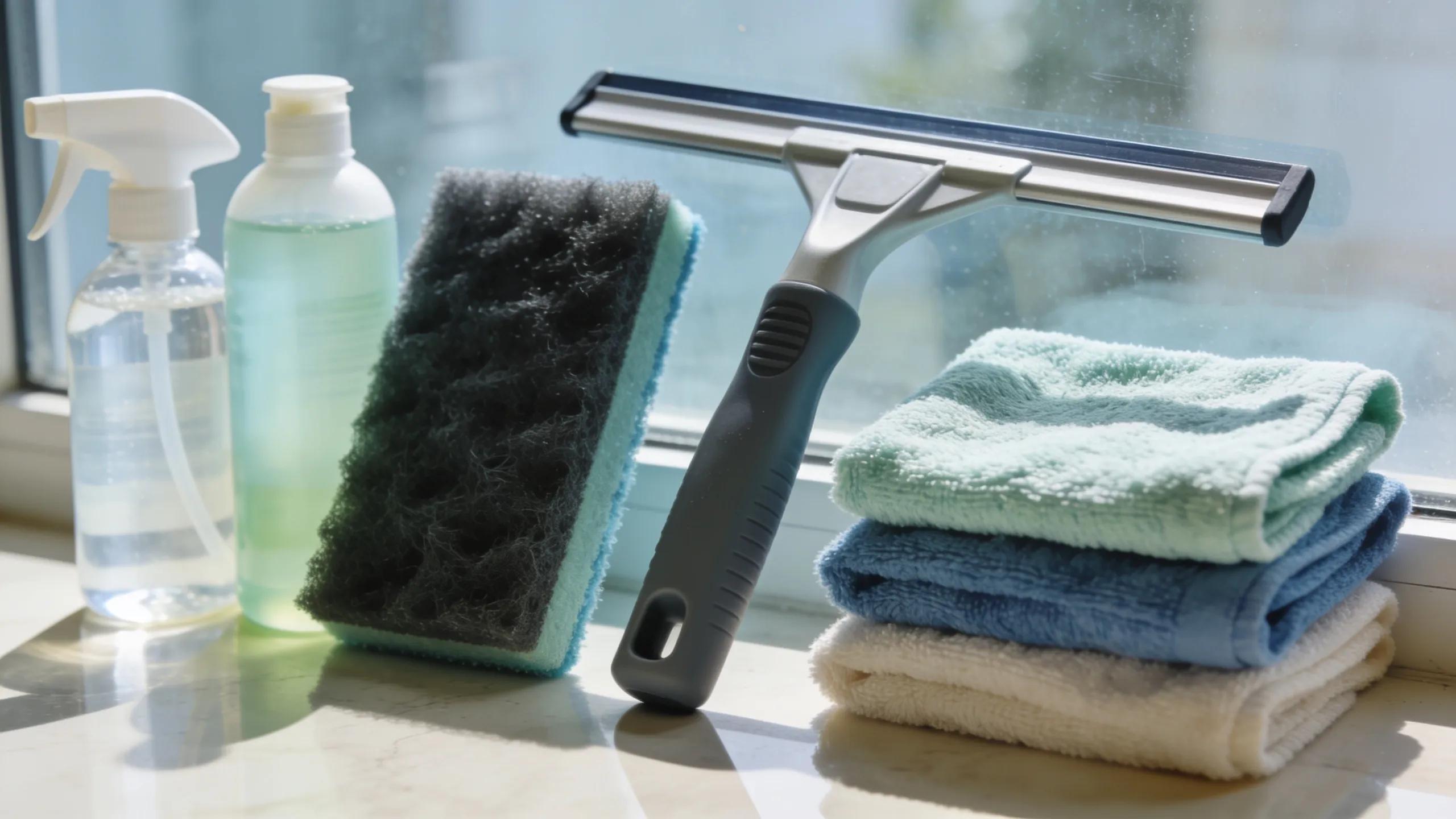
The right tools and materials are central to a streak-free result. Essential items include:
- Squeegees: High-quality rubber squeegees are critical for removing moisture effectively without leaving streaks.
- Microfiber Cloths: These are designed to finish off the cleaning process, ensuring any remaining moisture is absorbed without lint residue.
- Eco-Friendly Cleaning Solutions: Products labeled as ammonia-free are gentler on windows and greatly reduce the likelihood of streaks.
Using these tools correctly yields clearer, streak-free glass.
How Do Ammonia-Free and Eco-Friendly Solutions Improve Cleaning Results?
Ammonia-free, eco-friendly cleaners break down dirt without leaving the harmful residues associated with ammonia-based products. They are less abrasive, which helps protect coatings and frames. These solutions also support better indoor air quality and are suitable for both residential and commercial use.
What Professional Techniques Ensure Effective Window Cleaning Without Streaks?
Professional techniques emphasise preparation and precise execution to ensure a clean finish. Key practices include:
- Pre-Rinse: This step involves rinsing windows with water to eliminate surface dirt before applying cleaning solution, preventing scrub-induced streaks.
- Squeegee Use: Proper squeegee techniques—working from top to bottom and vertical strokes—are essential for preventing water from dripping back onto clean areas.
- Frequent Tool Changes: Changing cloths and pads regularly can prevent the transfer of dirt, which contributes to streaks.
These techniques improve clarity and reduce streaks; for reliable results, consider expert window washing services.
How Should Windows Be Maintained Post-Cleaning to Avoid Residue?

Post-cleaning maintenance is essential to prevent residue buildup. Consider the following strategies:
- Routine Cleaning Schedule: Develop a regular cleaning schedule, ideally every few months, depending on environmental factors.
- Inspect for Damage: Routinely check windows for any damage or potential leaks that might compromise cleanliness.
- Use Preventative Measures: Consider applying preventive coatings to windows that repel dirt, making future cleaning easier.
Following these maintenance practices reduces the need for deep cleaning and helps keep windows streak-free.
How Can Customers Prevent and Remove Window Streaks After Cleaning?
Customers can use several effective methods to prevent and remove streaks. These include:
- Choosing the Right Cleaning Products: Select cleaners specifically designed for windows to minimize residue and enhance clarity.
- Opt for High-Quality Cloths: Using microfiber cloths can significantly reduce the risk of streaks compared to standard rags or paper towels.
- Implementing Recommended Techniques: Following professional advice can help maintain the clarity of windows and prolong the time between cleanings.
Which Products and Techniques Are Recommended for Residue Removal?
For residues, consider the following products and techniques:
- Commercial Streak-Free Cleaners: These are formulated specifically for removing residues without leaving streaks behind.
- Vinegar and Water Solution: A natural alternative that can break down soap scum and mineral deposits effectively.
- Steamer: Using a window steamer can also help remove tough residues without scratching the glass.
Using these products and techniques helps keep windows clear and free from visible residues.
Frequently Asked Questions
1. How often should I clean my windows to prevent streaks?
A minimum quarterly cleaning prevents buildup; properties in polluted, rainy, or tree-covered areas may need more frequent cleanings. A regular schedule preserves clarity and reduces streak risk—adjust for seasonal changes.
2. What are some common mistakes to avoid when cleaning windows?
Avoid paper towels or sponges that leave lint and do not clean in direct sunlight, which causes solutions to dry too quickly. Always pre-rinse to remove loose dirt.
3. Are there natural alternatives to commercial window cleaners?
Yes. A vinegar-and-water solution cuts grime without harsh chemicals. Baking soda paste works for spot-treating tough residues. These eco-friendly options are often less expensive than commercial cleaners and can produce a streak-free result. Test on a small area first to confirm compatibility.
4. How can I prevent hard water stains on my windows?
Dry windows promptly after rain using a squeegee to prevent hard-water stains. Regularly clean with vinegar or a hard-water remover to mitigate deposits. In hard-water areas, installing a water softener can significantly reduce mineral spots. Preventive measures preserve clarity.
5. What techniques can I use to achieve a professional-level finish at home?
Start with a pre-rinse, then use a quality squeegee pulling downward to avoid drips. Change cloths often and use a two-step process—cleaner then plain-water rinse. For stubborn residue, carefully use a blade to avoid scratching the glass.
6. Can using a squeegee incorrectly cause streaks?
Yes. A dirty or improperly angled squeegee causes streaks. Begin at a top corner and pull straight down, wiping the blade after each pass to avoid transfer. Excessive pressure or uneven strokes can also leave marks.
7. What should I do if streaks persist after cleaning?
If streaks persist, check your cleaner and tools—use a streak-free solution and microfiber cloth. Persistent residue may need a stronger treatment like vinegar. If issues continue, hire a professional to inspect coatings or hard-water damage.
Conclusion
Pristine, streak-free windows are attainable with appropriate techniques and tools. Using eco-friendly cleaners and quality materials produces clear views while reducing environmental impact. Regular maintenance and correct cleaning practices extend window life and preserve clarity. Implement these expert tips to maintain spotless windows.