Essential Safety Practices Professional Window Cleaners Use for Safe, Reliable Service
Professional window cleaning safety is a mix of engineered systems, personal protective equipment (PPE), inspection routines and trained procedures that prevent falls, property damage and workplace injuries while delivering steady, high-quality results. These safeguards eliminate or control hazards—through fall protection systems, PPE, pre-job risk assessments and routine equipment maintenance—so homeowners and building managers receive dependable service with lower liability. In this article you’ll find clear, practical safety protocols, the common fall-protection gear and PPE pros use, how equipment is kept OSHA-compliant, and the training and insurance that build client trust. Arizona Window Washers, a veteran-owned local company serving the Phoenix metro area, highlights safety and reliability with experienced, highly trained staff, a 100 percent Customer Satisfaction Guarantee, pet- and child-safe eco-friendly products, and full insurance — all details that help informed readers trust us and book easily. Below we explain why safety matters for residential and commercial jobs, the equipment professionals use, maintenance and training practices, site risk-assessment steps, and how insurance and guarantees give clients peace of mind in Phoenix.
Why is professional window cleaning safety critical for homeowners and commercial clients?
Safety matters because it protects people, preserves property and reduces client liability by keeping work within controlled risk limits. When we talk about safety we mean a coordinated program of fall-protection systems, PPE, inspection routines and written procedures that prevent incidents causing serious injury or costly damage. For homeowners and building managers, a strong safety program means more predictable scheduling, fewer claims and higher service reliability—especially where heights and glazed surfaces are involved. Understanding how these measures work makes it clear why choosing an insured, trained provider is important before reviewing the specific systems pros use.
Window cleaning safety protects workers and property through layered systems that pair engineered anchors and harnesses with administrative controls like site surveys and weather monitoring. Those layers cut the chance of a single-point failure and produce measurable benefits—fewer incidents, less surface damage and stronger insurance defensibility. The core ways safety protects both people and buildings are below.
- Fall-prevention systems: Anchors and harnesses that stop falls or limit fall distance before a serious incident occurs.
- Equipment inspection: Routine checks that remove worn parts before they fail in the field.
- Procedural controls: Pre-job risk assessments, weather rules and documented steps that prevent unsafe work conditions.
These protections lower incident rates and increase client confidence, and they naturally lead into how insurance complements physical safety measures.
How do safety measures protect window cleaners and property?
Safety measures protect people and property by combining physical controls, behavior-based rules and ongoing verification into a practical risk-management system. Physical controls—anchor points, harnesses, ladder stabilizers and water-fed poles—reduce fall risk and accidental damage to glass and frames. Behavior-focused rules—like keeping three points of contact on ladders and mandatory rest and hydration in Phoenix heat—address human factors engineering can’t remove. Inspection logs and written procedures create traceability, so if an incident is avoided or investigated there’s a clear record. Together, these elements lower incidents and protect property, and they point to the complementary role insurance plays in client protection.
What role does insurance play in ensuring reliable window cleaning?
Insurance covers the leftover risk that safety systems can’t remove and gives both clients and contractors financial recourse when incidents happen. General liability protects against property damage and third‑party claims; workers’ compensation covers employee injuries on the job. Both are essential for professional, reliable window cleaning. Clients should ask for proof of coverage and policy summaries showing limits and effective dates before work begins. Carrying insurance is part of professional standards and ensures unexpected outcomes can be resolved without shifting the cost onto the client—verifying coverage is a simple, powerful step toward peace of mind.
What are the key safety equipment and fall-protection systems used by professional window cleaners?

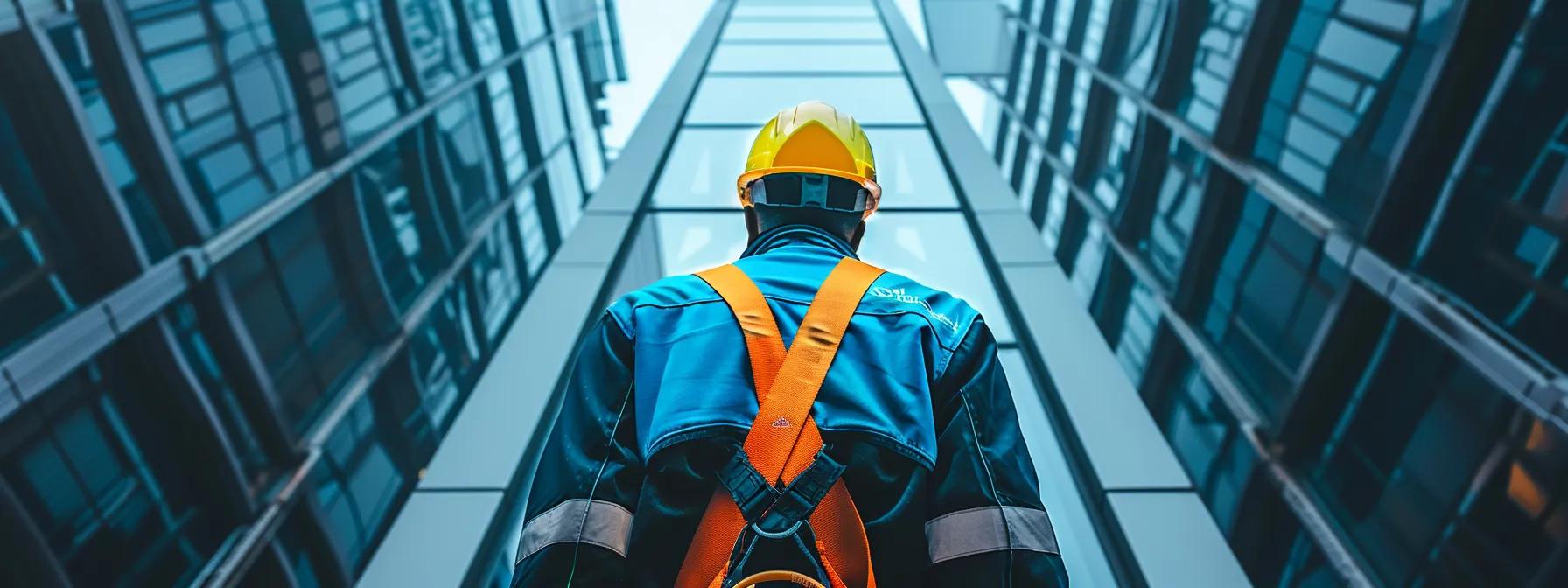
Key safety equipment and fall-protection systems are the engineered and personal items pros use to work safely at height: full-body harnesses, anchor points, lifelines, rope-access gear, ladder stabilizers and water-fed pole systems. These systems either prevent workers from reaching a fall hazard (restraint) or stop a fall and limit forces on the body (arrest). Pros choose systems based on building type, height and access constraints so the job is secure and efficient. Knowing these components helps homeowners and property managers evaluate bids and spot professional standards. Below is a quick reference to the top safety equipment window-cleaning teams use.
- Full-body fall-arrest harness: Arrests a fall and spreads forces to reduce injury risk.
- Temporary and permanent anchor points: Secure attachment points for lanyards and lifelines on vertical façades.
- Rope-access systems: Allow controlled descent and precise positioning for high-rise exterior work.
- Water-fed poles with insulated sections: Reduce ladder use and let crews reach safely from the ground.
- Ladder stabilizers and suction devices: Improve ladder footing to minimize slips and tips.
These tools make up the professional toolbox and are matched to each assignment. The comparison table below clarifies when each fall‑protection approach is most appropriate.
This table compares common fall-protection systems, how they align with OSHA or industry standards, and typical use cases to help readers evaluate equipment choices.
| Equipment | OSHA alignment / compliance | Use-case and notes |
|---|---|---|
| Fall arrest harness & lanyard | Meets OSHA fall-arrest criteria when inspected and used with a rated anchor | Best where workers face unprotected edges; requires anchor testing and correct rigging |
| Fall restraint systems (fixed anchors) | OSHA-compliant if anchor capacity is verified | Prevents workers from reaching the fall edge; common on low parapets and rooftops |
| Rope access (industrial rope) | Meets industry rope-access standards when run by trained operators | Preferred for high-rise façades where permanent anchors are impractical |
| Temporary anchors & lifelines | Must be load-tested or engineered by a competent person | Useful for short-term commercial jobs; requires documented testing and records |
| Water-fed pole (ground-based) | Reduces height exposure and follows the safe-work hierarchy | Ideal for residential and low-level commercial work to avoid ladder use |
The right equipment depends on building height, anchor availability and job duration; proper inspection and certified training are essential before any system is used.
Which fall-protection systems ensure safety at heights?
Fall-protection systems either restrain workers so they can’t reach a fall hazard or arrest a fall and limit force to the body. Restraint systems keep workers away from unprotected edges and work well on low parapets or rooftops. Fall-arrest setups—full-body harnesses, energy-absorbing lanyards and certified anchors—stop a fall if one occurs. Rope access provides controlled vertical movement with redundant systems and is typically performed by technicians trained to industrial rope standards; it requires anchor engineering and rescue planning. The choice among restraint, arrest and rope access depends on height, building type and anchor availability, and those decisions drive required training and inspection routines.
What personal protective equipment do window cleaners use?
PPE for window cleaners includes helmets, eye protection, cut‑resistant gloves, non‑slip footwear and sun‑appropriate protection—each selected to match the task. Helmets guard against falling objects and impacts near rooftop edges; safety glasses stop chemical splashes and debris; non‑slip shoes improve footing on wet or sloped surfaces; and cut‑resistant gloves protect hands when handling glass and tools. In Phoenix, crews also use wide‑brim hats, UV‑rated long sleeves and hydration packs to combat sun exposure and heat stress, combined with work‑rest cycles to keep teams healthy and productive.
How do professional window cleaners maintain equipment safety and compliance?
Maintaining equipment safety means scheduled inspections, recorded test results, replacing worn components and following manufacturer and regulatory guidance for water‑fed poles, pressure washers, harnesses and ladders. Regular maintenance reduces unexpected failures and supports OSHA‑aligned safety programs by documenting competency and due diligence. The checklist below summarizes routine field actions, and the table that follows outlines inspection intervals and common failure modes for core equipment. Consistent maintenance preserves equipment life, minimizes downtime and keeps service reliable for clients.
- Daily pre-shift checks: Quick visual inspection of harness stitching, lanyard hardware and pole integrity.
- Weekly functional tests: Pressure-washer valve checks and verification of pole telescoping locks.
- Monthly documented inspections: Full harness checks by a competent person, anchor load checks and ladder-rung integrity reviews.
- Annual third-party testing: Load-testing anchors and rope-access gear certification as required.
These steps create a predictable program that reduces risk and feeds directly into record‑keeping and compliance practices. The table below captures inspection frequency and common issues for major tools.
| Equipment | Inspection frequency | Common issues / last-test criteria |
|---|---|---|
| Water-fed poles | Daily visual; monthly full-function check | Telescoping lock slippage, brush wear, insulation breaches |
| Pressure washers | Daily fluid checks; monthly hose and pump inspection | Hose degradation, valve leaks, electrical grounding faults |
| Harnesses & lanyards | Daily visual; monthly competent-person inspection; annual retirement criteria | Webbing abrasion, hardware corrosion, failed stitching |
| Ladders & stabilizers | Daily setup check; monthly rung and base inspection | Bent rungs, stabilizer wear, non-slip foot failure |
This layered inspection schedule addresses immediate hazards and long-term wear, helping equipment perform reliably and keeping workers and clients safer in the field.
What are the safety protocols for using water-fed poles and pressure washers?
Protocols for water-fed poles and pressure washers combine correct setup, operator training, safe pressure settings, electrical precautions and appropriate PPE. Operators check pole insulation, secure brush heads and confirm feed-line integrity before use. Pressure washers need correct nozzles, regulated outlet pressure and grounded electrical connections. Training stresses staying clear of electrical sources and using low pressure near window seals to avoid glass damage. Daily checklists should document these steps—consistent adherence minimizes operator error and protects building envelopes and finishes.
How is ladder safety ensured during window cleaning?

Ladder safety starts with choosing the right ladder, setting it at the proper angle, using stabilizers or tie‑offs, keeping three points of contact and recognizing when ladders aren’t appropriate. Technicians pick ladder height to avoid overreaching, position the base about one quarter of the working height from the wall, and use stabilizers on uneven ground or rooftop edges. When possible, crews add a secondary restraint or a spotter for extra stability; if access or height makes ladders unsafe, teams switch to water‑fed poles or rope access. These practical steps reduce ladder incidents and support predictable, safe task completion.
What training and certification do professional window cleaners receive to ensure safety?
Training and certification teach workers how equipment works, fall‑protection theory, rescue procedures and regulatory requirements—knowledge that lowers incident rates and improves reliability. Effective programs include hands‑on onboarding for PPE selection, ladder safety, water‑fed pole operation and basic equipment inspection, followed by periodic refreshers and scenario‑based rescue drills. Documented certifications and training records show competency to clients and insurers and serve as a clear trust signal when evaluating proposals. The sections below explain relevant standards and how ongoing education creates safer, more consistent outcomes.
- Onboarding training: Hands‑on equipment use, hazard recognition and company procedures.
- Refresher courses: Regular sessions on fall protection updates, rescue and first aid.
- Scenario drills: Simulated rescues from harness systems and confined‑space retrievals.
These training layers reduce human‑error risks and build competency records clients can request when verifying provider qualifications.
Which OSHA and IWCA certifications are required for window cleaning safety?
Relevant standards include OSHA regulations for fall protection and equipment safety, plus IWCA and other industry programs that teach rope access, high‑rise safety and harness use. OSHA sets regulatory requirements employers must follow; IWCA and similar organizations offer practical, task‑specific certifications and training curricula tailored to window cleaning. Clients should request proof of completed courses, dates and confirmation that technicians are trained in rescue and equipment inspections. Verifying these credentials helps ensure the team meets both legal and operational safety expectations.
How does ongoing safety education improve service reliability?
Ongoing safety education keeps crews current on equipment changes, reinforces safe habits and reduces repeat incidents through practice and assessment. Regular refreshers reinforce three‑point contact, anchor testing and environmental hazard recognition, while scenario drills maintain rescue readiness. Companies that document continuous education demonstrate a safety-first culture, which translates to less downtime and fewer client disruptions. That steady focus on training delivers real client benefits: reliable scheduling, fewer claims and consistently solid workmanship.
How is risk assessment and site safety managed before and during window cleaning?
Risk assessment and site safety start with structured pre‑job inspections, weather monitoring, clear communication protocols and rehearsed emergency procedures the crew understands. A pre‑job inspection looks at access, anchor points, overhead hazards, electrical risks and client constraints before work begins; in‑field monitoring stops work when conditions exceed safe thresholds. Clear client communication and on‑site signage reduce surprises and support orderly postponements or evacuations when needed. The checklist below is copy‑ready for property managers and outlines the core pre‑job inspection sequence, followed by weather and emergency triggers.
- Access & egress check: Confirm clear paths, staging areas and client permissions.
- Hazard identification: Note overhead power lines, glazing type, fragile surfaces and obstructions.
- Anchor & surface evaluation: Verify permanent anchors or engineer temporary anchors and note rooftop load capacities.
- Equipment staging: Confirm stable ground for ladders, trucks and water‑fed pole operations.
- Client communication: Document points of contact, lockout needs and any special requests.
This ordered checklist streamlines pre‑job planning and establishes the baseline for in‑field safety decisions, including weather‑related and emergency procedures described next.
What steps are included in pre-job site inspections?
Pre‑job inspections cover access verification, hazard mapping, anchor evaluation, electrical clearance checks and confirmation of client permissions and site constraints. Inspectors note obstructions—signage, canopies, trees—that affect rigging or ladder placement and flag fragile façade elements that need alternative methods. Anchor points are tested or assessed by a competent person; any deficiencies prompt a change in method (for example, switching from rope access to a water‑fed pole) to keep the job safe. These steps create the basis for a low‑risk plan tailored to each property.
How are weather conditions and emergency procedures handled safely?
Weather and emergency procedures use clear postponement thresholds—sustained high winds, nearby lightning or extreme heat—plus documented evacuation and rescue plans. Crews monitor forecasts and site conditions, and stop work when gusts, lightning risk or heat‑stress indicators exceed safe levels. Emergency procedures include immediate worker evacuation, first‑aid readiness, rescue harness deployment and client notification to explain delays or incidents. These rules keep environmental variability from turning a controlled job into an emergency.
How does Arizona Window Washers ensure compliance and provide peace of mind through insurance and safety guarantees?
Arizona Window Washers combines full insurance coverage, transparent documentation, trained teams and a customer‑focused guarantee to ensure compliance and give clients peace of mind. As a veteran‑owned, locally operated business in the Phoenix metro area, we emphasize experienced, professional crews, environmentally friendly pet‑ and child‑safe products, full insurance and a 100 percent Customer Satisfaction Guarantee while offering competitive pricing roughly 5 percent below typical competitors. To make booking and verification easy, we also provide a free online quote tool that streamlines estimates and document requests. The table below summarizes insurance and guarantee components and what they protect.
This table outlines the core protections clients should confirm and what each component typically covers so you can verify credentials before hiring.
| Coverage / Guarantee | Who it protects | Typical purpose and notes |
|---|---|---|
| General liability | Client and public | Covers property damage and third‑party claims from operations |
| Worker’s compensation | Workers | Covers employee injuries on the job and limits client liability |
| Customer Satisfaction Guarantee | Clients | Remediation or repeat service to resolve quality or safety concerns |
| Documentation availability | Clients / property managers | Proof of coverage and policy summaries available on request for verification |
This overview shows how insurance plus a clear guarantee reduce client exposure to financial and service risk, and how easy access to documentation supports due diligence before scheduling.
What insurance coverage protects clients and workers?
Insurance transfers financial responsibility for covered incidents to an insurer, ensuring remediation without costly out‑of‑pocket claims. General liability covers third‑party property damage and bodily injury related to operations; workers’ compensation covers medical care and wage replacement for injured employees. Both are critical for professional window cleaning safety. Clients can request certificate summaries and confirm limits—Arizona Window Washers provides clear insurance documentation on request and pairs that protection with documented safety practices to reduce incident likelihood.
How does a Customer Satisfaction Guarantee reflect safety commitment?
A Customer Satisfaction Guarantee signals a safety and quality commitment by promising corrective action if work or safety outcomes don’t meet expectations. Guarantees typically describe the remedy process and reasonable timelines for repeat service or fixes, reflecting a culture that addresses root causes rather than just cosmetic repairs. For clients, a documented guarantee reduces perceived hiring risk and shows that safety and workmanship standards are company policy. Together with proof of insurance and training records, the guarantee completes a trust stack that helps clients book with confidence.
For a free, no‑obligation estimate and to review documents like insurance certificates and training confirmations, prospective clients can use Arizona Window Washers’ free online quote tool to start the booking and verification process with clear emphasis on safety and customer satisfaction.
Frequently Asked Questions
What should I look for when hiring a professional window cleaning service?
Look for clear safety protocols, up‑to‑date insurance and positive customer reviews. Confirm the company trains staff to follow OSHA guidance, uses appropriate safety equipment and can show proof of general liability and workers’ compensation. A satisfaction guarantee and relevant certifications are additional signs of a reputable provider.
How often should window cleaning be performed for optimal safety and maintenance?
Typically, residential windows are cleaned at least twice a year; commercial buildings often need more frequent service depending on traffic and exposure. Regular cleaning prevents grime buildup and allows technicians to spot issues—like damaged seals or frames—so repairs can be scheduled before damage worsens. Frequency varies with location, building type and owner preference.
What are the common risks associated with window cleaning?
Common risks include falls from height, cuts from glass, slips on wet surfaces and chemical exposure. Falls are the highest risk and are mitigated by proper fall protection systems. Hiring trained professionals who use the right PPE and follow safety protocols significantly reduces these risks.
How can I ensure the safety of my property during window cleaning?
Tell your cleaning team about any fragile surfaces or valuables near the work area and confirm they’ll perform a pre‑job inspection. Ask that pathways remain clear, that equipment staging is documented, and that crews use appropriate protection and procedures. A reputable company will take these precautions to protect your property and workers.
What should I do if I notice damage after window cleaning?
Contact the cleaning company right away, document the damage with photos and a description, and provide those details when you report the issue. Reputable companies with a satisfaction guarantee will investigate and arrange remediation or compensation as needed—prompt reporting speeds resolution.
Are there specific weather conditions that affect window cleaning safety?
Yes—high winds, rain, lightning and extreme heat can all create unsafe conditions. Strong winds increase fall risk, rain makes surfaces slippery and extreme heat raises heat‑stress risk. Professional crews monitor weather and postpone work when conditions exceed safe thresholds.
What types of training do window cleaners undergo to ensure safety?
Window cleaners receive onboarding on equipment use, hazard recognition and company procedures, plus training on fall protection, ladder safety and the safe use of water‑fed poles and pressure washers. Ongoing refresher courses and scenario‑based drills (including rescue practice) reinforce safe habits. Certifications from recognized organizations like OSHA and IWCA further validate training and competency.
Conclusion
Putting essential safety measures in place protects workers and your property, reduces liability and improves the reliability of service. When you understand fall‑protection systems, PPE choices and the value of documented training and insurance, you can confidently select a provider. Choose a company that prioritizes safety, offers clear insurance documentation and stands behind its work—those factors deliver real peace of mind. For a free estimate and to learn more about our safety practices, visit Arizona Window Washers today.