
Understanding Commercial Window Cleaning Methods for Your Business
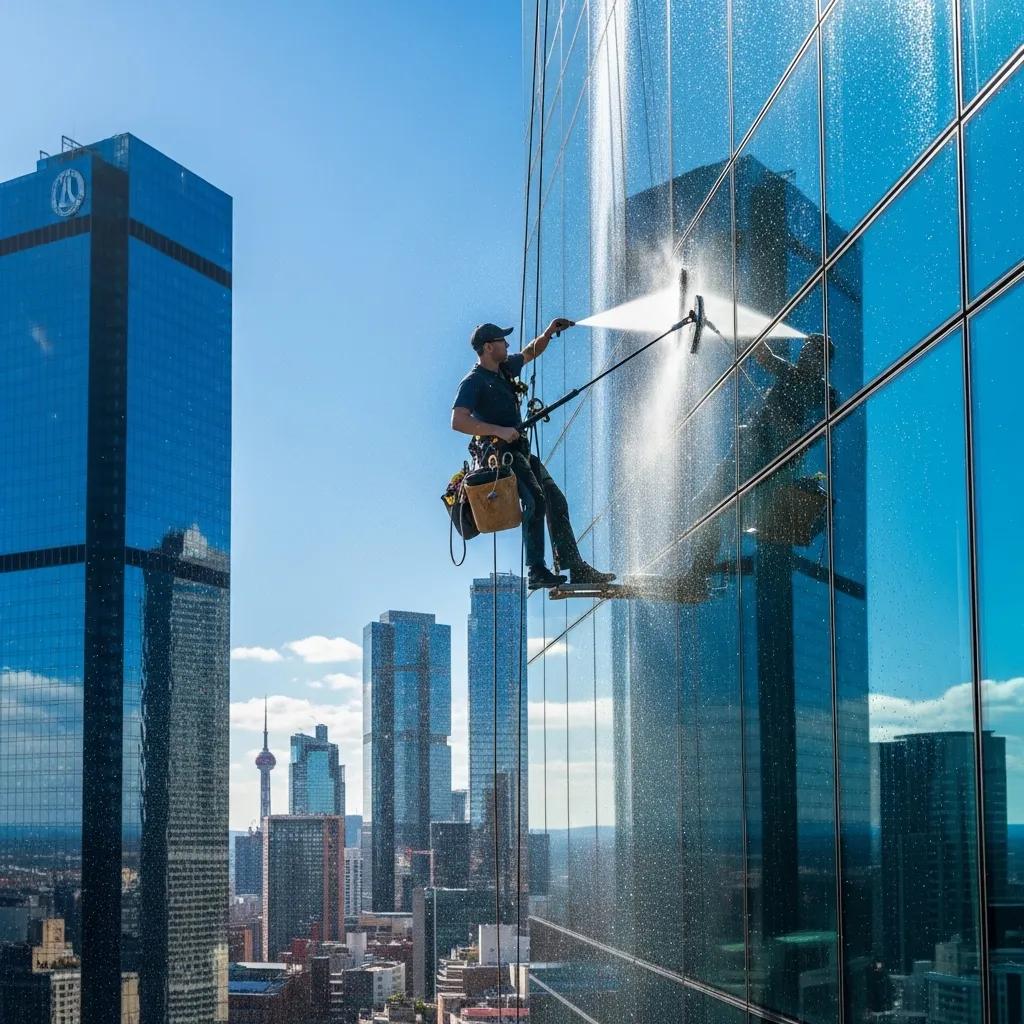
Commercial window cleaning preserves both the appearance and function of business premises. This guide explains common cleaning methods, their effectiveness, and the benefits they provide. It outlines techniques, key equipment, safety standards, eco-friendly options, scheduling recommendations, and pricing models to support informed decisions about commercial cleaning needs.
What Are the Most Effective Commercial Window Cleaning Techniques?
Achieving spotless results requires established, effective techniques. The most widely used methods include:
- Professional-Grade Tools: Utilizing high-quality tools such as squeegees and water-fed poles ensures a thorough clean without streaks.
- Two-Bucket Method: This technique involves using one bucket for soapy water and another for rinsing, preventing dirt from being reintroduced to the glass.
- Safety Equipment: Employing harnesses and safety lines is essential for high-rise cleaning, ensuring the safety of workers while maintaining high standards of cleanliness.
These techniques improve window appearance and help extend service life by reducing damage from dirt and grime. For businesses in Phoenix, Arizona, window washing companies provide professional services that implement these methods to ensure clear, well-maintained windows.
Which Equipment and Tools Are Essential for Commercial Window Cleaning?

Effective commercial window cleaning depends on the correct equipment. Essential tools commonly used include:
- Squeegees: These are fundamental for removing water and cleaning solutions from glass surfaces, ensuring a streak-free finish.
- Water-Fed Pole Systems: These systems allow cleaners to reach high windows safely from the ground, using purified water to avoid mineral deposits.
- Eco-Friendly Cleaning Solutions: Using biodegradable and non-toxic cleaning products is increasingly important for businesses looking to minimize their environmental impact.
What Types of Exterior Window Cleaning Equipment Are Used?
Exterior window cleaning employs a range of equipment to achieve optimal results. Common tools include:
- Hand Wash and Squeegee: Ideal for smaller buildings, this method allows for detailed cleaning.
- Water-Fed Poles: These are effective for mid to high-rise buildings, providing a safe way to clean windows without ladders.
- Eco-Friendly Products: Many companies now offer cleaning solutions that are safe for the environment, ensuring that businesses can maintain a green image.
How Does Equipment Choice Impact Cleaning Quality and Safety?
Equipment selection directly affects cleaning quality and worker safety. Water-fed poles reduce ladder-related fall risk, while quality squeegees deliver a streak-free finish. Selecting appropriate tools also supports compliance with safety standards and improves outcomes for both the cleaning team and the business.
What Safety Standards and Best Practices Ensure Reliable Commercial Window Cleaning?
Safety is a top priority in commercial window cleaning, particularly for high-rise work. Core safety standards include:
- Use of Fall Protection Systems: Implementing harnesses and safety lines to prevent falls during cleaning.
- Regular Equipment Inspections: Ensuring that all cleaning equipment is in good working condition to avoid accidents.
- Trained Staff Procedures: Providing comprehensive training for staff on safety protocols and equipment use.
How Do OSHA Compliance and Fall Protection Improve Worker Safety?
OSHA compliance is essential for protecting workers in the window cleaning industry. Regulations require fall protection systems that significantly lower accident risk. Training programs that emphasise safety procedures further reduce incidents and contribute to a safer work environment.
What Are the Recommended Safety Protocols for High-Rise Window Cleaning?
High-rise window cleaning requires specific protocols to reduce hazards. Recommended practices include:
- Use of Anchors and Harnesses: These are essential for securing workers when cleaning at heights.
- Pre-Job Risk Assessments: Conducting thorough assessments before starting work to identify potential hazards.
- Weather Monitoring: Keeping an eye on weather conditions to avoid cleaning during adverse weather, which can increase risks.
How Do Environmental and Eco-Friendly Cleaning Options Benefit Your Business?
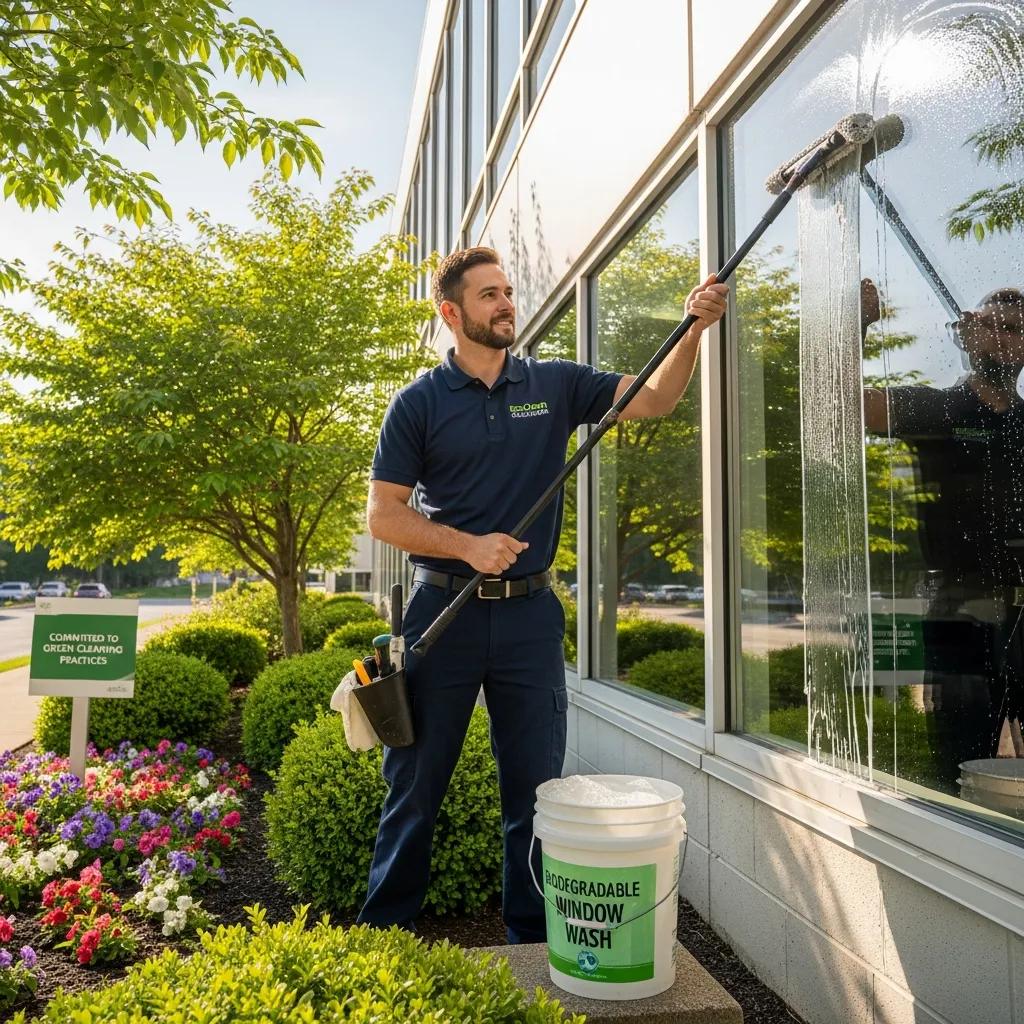
Implementing eco-friendly cleaning options delivers clear benefits for businesses. These benefits include:
- Better Indoor Air Quality: Using non-toxic cleaning solutions improves air quality for employees and customers.
- Lower Environmental Impact: Eco-friendly practices help reduce the carbon footprint of cleaning operations.
- Enhanced Company Image: Businesses that prioritize sustainability often enjoy a better reputation among environmentally conscious consumers.
What Eco-Friendly Detergents and Water Usage Practices Are Available?
Eco-friendly detergents reduce environmental impact while maintaining cleaning performance. Common practices include:
- Biodegradable Detergents: These break down naturally and do not harm the environment.
- Water-Efficient Methods: Techniques that minimize water usage while maximizing cleaning effectiveness are increasingly popular.
- Plant-Safe Products: Using cleaning solutions that are safe for surrounding vegetation helps protect local ecosystems.
How Does Sustainable Cleaning Align with Phoenix Climate Considerations?
In Phoenix, where water conservation is a priority, sustainable cleaning practices have particular relevance. Businesses can benefit from:
- Water Conservation Practices: Implementing methods that use less water helps address local water scarcity issues.
- Minimizing Chemical Runoff: Eco-friendly products reduce the risk of harmful chemicals entering the local water supply.
- Supporting Local Ecology: Sustainable practices contribute to the preservation of the local environment, aligning with community values.
Beyond traditional methods, automated and robotic cleaning technologies are emerging as viable solutions for maintaining cleanliness in challenging environments such as Phoenix.
Robotic & Automated Commercial Cleaning Systems
Promising solutions include anti-soiling surface coatings and automated cleaning systems that employ robotic and electrostatic methods. These approaches are particularly suited to arid, dusty environments.
A Short Review On Automated and Semi-Automated Cleaning Systems for Photovoltaic Panels to Enhance Power Efficiency, M Boutamart, 2026
What Are the Recommended Scheduling and Frequency Guidelines for Commercial Window Cleaning?
A defined cleaning schedule helps maintain a professional property appearance. Recommended scheduling options include:
- One-Time Cleaning Options: Ideal for special events or after construction work.
- Annual and Biannual Schedules: Regular cleaning helps maintain a professional appearance and prevents dirt buildup.
- Custom Schedules Based on Needs: Tailoring cleaning frequency to specific business requirements ensures optimal results.
How Often Should Business Windows Be Professionally Cleaned?
Cleaning frequency depends on several factors, including:
- Storefront Cleaning Frequency: High-traffic areas may require more frequent cleaning to maintain appearance.
- Office Building Recommendations: Regular cleaning every 3 to 6 months is often sufficient for office buildings.
- High-Rise Considerations: Buildings at greater heights may need specialized cleaning schedules due to accessibility challenges.
What Factors Influence Cleaning Frequency in Phoenix AZ?
Local conditions in Phoenix influence recommended cleaning intervals. Relevant factors include:
- Local Climate Conditions: Dust and debris from the desert environment can necessitate more frequent cleaning.
- Location-Specific Factors: Proximity to busy roads or construction sites can increase dirt accumulation.
- Seasonal Changes: Different seasons may bring varying levels of dirt and grime, affecting cleaning schedules.
What Pricing Models and Service Packages Are Offered for Commercial Window Cleaning?
Understanding pricing models enables accurate budgeting for window cleaning services. Typical options include:
- Service Schedules Available: Many companies offer flexible scheduling options to meet client needs.
- Types of Properties Serviced: Pricing may vary based on the type of property, such as retail, office, or industrial.
- Flexible Maintenance Plans: Customizable plans allow businesses to choose services that fit their specific requirements.
How Are Commercial Window Cleaning Services Priced?
Pricing is influenced by multiple factors, including:
- Building Size Impact: Larger buildings typically incur higher cleaning costs due to increased labor and time requirements.
- Frequency of Service: Regular contracts may offer discounted rates compared to one-time services.
- Accessibility Considerations: Properties that are difficult to access may require specialized equipment, affecting overall pricing.
What Are the Benefits of Bundled Exterior Cleaning Services?
Bundled exterior services offer practical advantages for businesses, including:
- Enhanced Curb Appeal: A comprehensive cleaning approach improves the overall appearance of the property.
- Time and Cost Savings: Bundling services often results in lower costs compared to purchasing each service separately.
- Improved Maintenance Efficiency: Regularly scheduled bundled services ensure that all aspects of exterior maintenance are addressed consistently.
For residential clients, Arizona Window Washers offers specialized services to maintain clear, well-kept home windows.
Frequently Asked Questions
What are the benefits of hiring a professional window cleaning service?
Engaging a professional window cleaning service delivers several benefits. Professionals apply proven techniques and the correct equipment to achieve thorough cleaning without damaging glass. They use high-quality, eco-friendly products and operate efficiently, which saves time. Outsourcing cleaning also reduces the risk of accidents associated with do-it-yourself methods and allows business owners to focus on core operations.
How can businesses ensure the safety of their window cleaning staff?
Businesses ensure staff safety by implementing comprehensive safety protocols. These include formal training in equipment operation, regular safety drills, provision of appropriate personal protective equipment (PPE), and scheduled inspections of tools and gear. Adherence to OSHA regulations and an organisational focus on safety significantly reduce the likelihood of accidents.
What should businesses consider when choosing a window cleaning service?
When choosing a window cleaning provider, evaluate reputation, experience, and customer feedback. Ask about cleaning methods and product specifications, particularly if eco-friendliness is a priority. Verify insurance coverage and review the company’s safety procedures. Request detailed quotes to compare pricing structures and ensure the service aligns with your operational requirements and budget.
Are there specific regulations for window cleaning in high-rise buildings?
Yes. High-rise window cleaning is subject to specific safety regulations that focus on fall protection and worker training. These regulations commonly require harnesses, safety lines, and certified equipment. Regular inspections of safety gear and documented compliance with OSHA standards are standard requirements to protect workers and limit organisational liability.
What are the environmental impacts of traditional window cleaning methods?
Traditional methods can have environmental consequences, primarily from chemical cleaning agents that may contribute to water pollution. Excessive water use during cleaning can also strain local supplies, especially in arid regions. Selecting eco-friendly detergents and water-efficient techniques reduces environmental impact while maintaining clean windows.
How can businesses create a customized window cleaning schedule?
Developing a customised schedule begins with assessing location, foot traffic, and local environmental conditions. Consider how often windows accumulate dirt based on proximity to roads or construction. Consult a professional cleaner for recommendations and align the schedule with business operations to minimise disruption while maintaining presentation standards.
What innovations are emerging in the commercial window cleaning industry?
The industry is adopting technological innovations such as automated and robotic cleaning systems, which improve access to hard-to-reach areas and can reduce labour costs. Advances in eco-friendly cleaning solutions and improvements to water-fed pole systems enhance cleaning effectiveness while minimising environmental impact. These developments support higher efficiency and sustainability in commercial cleaning operations.
Conclusion
Knowledge of commercial window cleaning methods enables business owners to maintain a professional appearance while safeguarding safety and operational efficiency. Applying appropriate techniques and eco-friendly products enhances corporate image and supports environmental responsibility. Regular maintenance extends the useful life of windows and can improve indoor air quality for occupants. Discover how our expert services can help you maintain clean, well-presented windows that reflect your commitment to quality.